
Security Tool Sprawl Is Breaking Enterprise Cybersecurity — And Attackers Know It
Security tool sprawl and alert fatigue have quietly become two of the most damaging problems facing enterprise cybersecurity teams today. What started as a well-intentioned effort to strengthen defenses has, in many organizations, produced the opposite effect. Enterprises now deploy dozens of disconnected security tools across endpoints, networks, cloud environments, applications, and identities. Instead of gaining clarity, security teams are overwhelmed by noise, fragmented visibility, and competing dashboards. The result is slower response times, higher breach risk, and exhausted analysts struggling to keep up.
Security tool sprawl occurs when organizations accumulate too many overlapping cybersecurity products without a cohesive architecture. This usually happens gradually. A new compliance requirement leads to another point solution. A cloud migration introduces new security controls. A merger brings in an entirely different stack. Over time, enterprises end up with SIEMs, EDR tools, CSPM platforms, vulnerability scanners, email security gateways, IAM solutions, DLP tools, API security products, and more, all operating independently. Each tool produces alerts based on its own limited perspective, but no single system provides a unified view of risk.
Alert fatigue is the natural consequence of this sprawl. Modern security tools are designed to be cautious, generating alerts whenever something looks even slightly suspicious. When dozens of tools do this simultaneously, security operations centers can receive tens of thousands of alerts per day. Many of these alerts are false positives, duplicates, or low-risk findings with no real business impact. Analysts quickly become desensitized, forced to prioritize speed over accuracy just to keep queues manageable. Important signals get buried under routine noise, and real threats often go unnoticed until it is too late.
The danger of security tool sprawl lies in the loss of visibility it creates across the enterprise attack surface. Each tool sees only a small slice of the environment. One may detect endpoint behavior, another cloud misconfigurations, another identity misuse, and another application vulnerabilities. Without correlation, security teams cannot easily see how these signals connect. Attackers exploit this fragmentation by moving laterally across systems, using identity abuse, cloud misconfigurations, and application weaknesses in combination. When defenders cannot connect these actions into a single attack narrative, detection and response slow dramatically.

Tool sprawl also has a direct impact on detection and response times. Analysts must constantly switch between consoles, manually enrich alerts, and investigate the same issue across multiple systems. Mean Time to Detect and Mean Time to Respond increase, giving attackers more opportunity to establish persistence and exfiltrate data. In many high-profile breaches, alerts were generated early in the attack but were missed, ignored, or deprioritized because they did not stand out from the surrounding noise. These incidents demonstrate that the problem is rarely a lack of alerts, but an inability to determine which alerts actually matter.
Another serious consequence of alert fatigue is analyst burnout. Enterprise security teams are already understaffed, and tool sprawl turns highly skilled professionals into alert processors rather than defenders. Day after day of triaging false positives leads to exhaustion, disengagement, and eventually attrition. Losing experienced analysts creates further risk, as institutional knowledge disappears and remaining staff are stretched even thinner. The cost of replacing security talent often exceeds the cost of consolidating tools, yet many organizations continue to invest in more products rather than addressing the root cause.
From a financial perspective, security tool sprawl delivers poor return on investment. Enterprises with the most complex stacks often spend more on cybersecurity than their peers while achieving worse outcomes. Licensing costs accumulate, training requirements multiply, and integration work becomes endless. Each new tool promises better protection, but without integration and prioritization, it simply adds more alerts to an already overwhelmed system. Executives see rising security budgets but still face breaches, audits, and regulatory scrutiny, eroding confidence in security leadership.
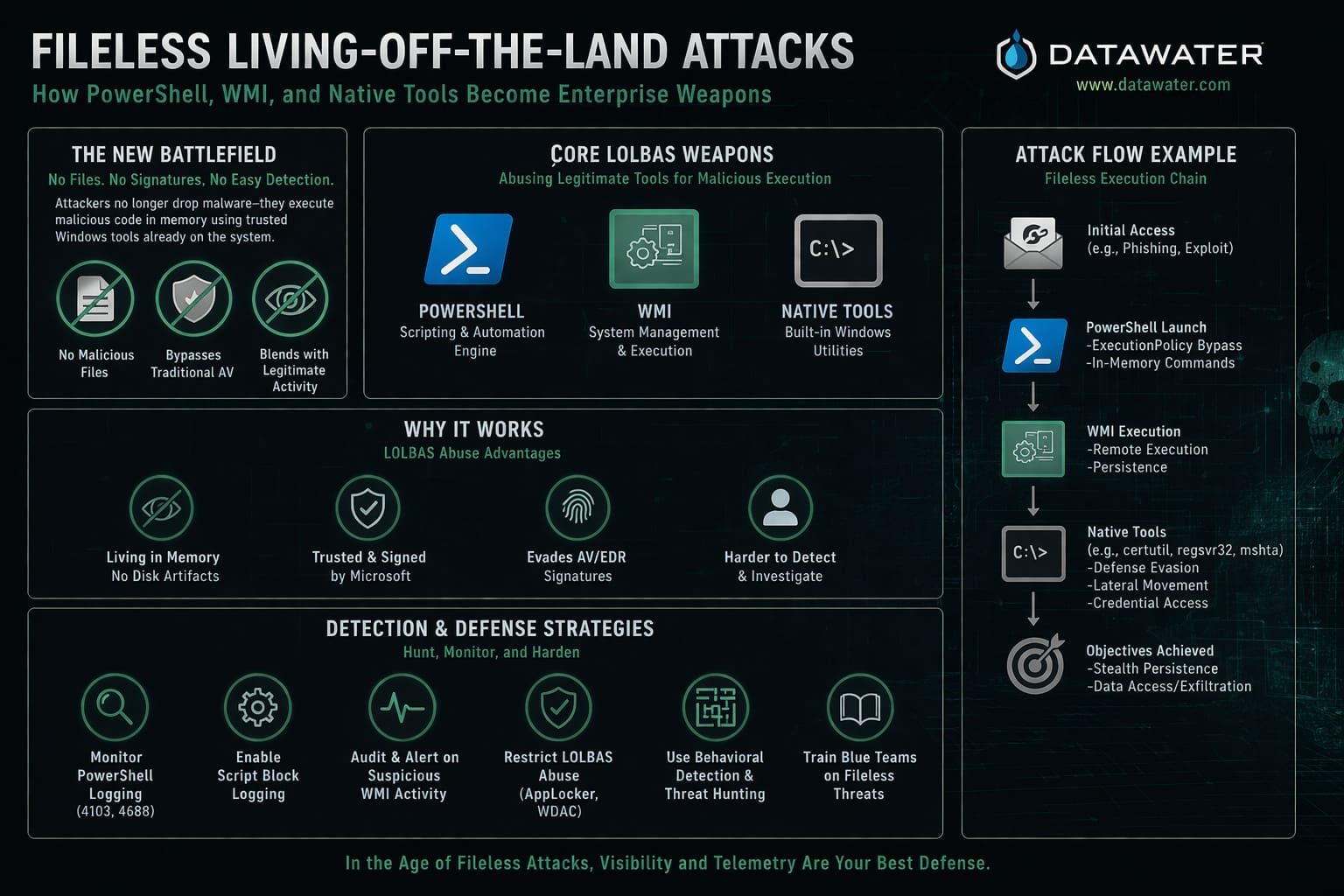
Alert fatigue also changes attacker behavior in dangerous ways. Modern threat actors understand that large enterprises are flooded with alerts. Instead of launching loud, obvious attacks, they use low-and-slow techniques designed to blend in with normal activity. Credential misuse, token theft, and abuse of legitimate tools often generate alerts that look routine rather than urgent. In an environment overwhelmed by noise, these subtle signals are exactly the ones most likely to be ignored.
Many organizations do not realize how severe their tool sprawl problem has become until a breach occurs. Common warning signs include analysts logging into ten or more security consoles daily, multiple tools reporting the same vulnerability, difficulty explaining overall security posture to executives, and metrics focused on alert volume rather than risk reduction. When security teams cannot clearly answer which risks matter most to the business, the organization is already exposed.
The traditional response to new threats has been to buy more tools, but this approach no longer works in modern enterprise environments. Hybrid infrastructure, cloud-native applications, SaaS platforms, APIs, and identity-centric attacks demand context and correlation rather than isolated detections. More alerts do not equal more security. In fact, excessive alerts actively reduce an organization’s ability to defend itself.
Leading enterprises are addressing security tool sprawl by shifting away from point solutions toward consolidated platforms that share data and context. Instead of managing dozens of disconnected tools, they reduce complexity by focusing on fewer systems that provide broader coverage. This consolidation lowers alert duplication, simplifies operations, and improves visibility across the attack surface. It also reduces training and maintenance overhead, allowing security teams to focus on outcomes rather than tooling.
Risk-based prioritization is another critical shift. Rather than treating all alerts equally, mature security programs evaluate findings based on exploitability, exposure, asset criticality, and business impact. This approach ensures analysts spend their limited time addressing the issues that could actually harm the organization. When alerts are tied to real risk, alert fatigue decreases and response quality improves.
Unified visibility across identity, cloud, applications, and endpoints is also essential. Attackers do not respect organizational silos, and defenders cannot afford to operate within them. When security teams can see how identity misuse connects to cloud misconfigurations and application vulnerabilities, they can disrupt attacks earlier and more effectively. This end-to-end visibility transforms security from reactive alert handling into proactive risk management.
Automation plays an important role as well, but only when applied correctly. The goal is not to close alerts faster, but to reduce noise before humans ever see it. High-performing organizations automate alert deduplication, enrichment, and low-risk response actions, allowing analysts to focus on investigation, threat hunting, and strategic improvements. Automation should amplify human judgment, not replace it.
As enterprises continue adopting AI, expanding cloud footprints, and increasing reliance on third-party software, the risk of security tool sprawl will only grow. Organizations that succeed will be those that measure security by reduced risk rather than increased alert counts. They will design security architectures intentionally, prioritize clarity over complexity, and treat analyst time as one of their most valuable assets.
Ultimately, security tool sprawl and alert fatigue are not minor operational inconveniences. They are strategic risks that directly influence breach likelihood, regulatory exposure, operational resilience, and executive trust. Enterprises that address these issues decisively gain faster detection, stronger defenses, lower costs, and more resilient security teams. In a threat landscape where attackers move faster every year, reducing noise and improving clarity is one of the most powerful advantages an organization can achieve.