
Ransomware & Double-Extortion Attacks: The Enterprise Playbook (Prevention, Detection, Response)

Ransomware & Double-Extortion Attacks: The Enterprise Playbook (Prevention, Detection, Response)
Learn how modern ransomware and double-extortion attacks work, why enterprises keep getting hit, and the practical controls that reduce risk—identity hardening, segmentation, backups, detection, and an incident response checklist.
Ransomware isn’t just “files get encrypted, pay to unlock.” In today’s enterprise reality, many groups run a double-extortion model: they steal sensitive data first, then encrypt systems, and finally pressure you with leak threats, customer notifications, and reputational damage if you don’t pay. Some crews escalate further (sometimes called triple extortion) by adding harassment, DDoS, or direct pressure on partners and customers. The result: even organizations with good backups can still feel cornered—because the leverage is no longer just availability, it’s exposure.
What “Double Extortion” Means (In Plain English)
Double extortion is the combination of two threats:
- Threat #1: Operational shutdown — encryption disrupts business operations, ERP, email, EHR, OT, and core services.
- Threat #2: Public impact — stolen data is used to force payment by threatening publication, sale, or direct disclosure to regulators, customers, or the media.
This matters to enterprises because it creates a multi-front crisis: incident response + legal + privacy + executive communications + customer trust all at once.
How Modern Ransomware Attacks Typically Unfold
While every incident is different, most enterprise ransomware campaigns follow a repeatable pattern:
- Initial access — attackers get in through stolen credentials, phishing, exposed remote services (VPN/RDP), vulnerable edge devices, or a third-party compromise.
- Privilege escalation & persistence — they elevate to admin, establish multiple footholds, and disable security controls.
- Lateral movement — they map your environment, move to high-value systems (AD, backups, virtualization, file servers), and identify “blast radius” opportunities.
- Data exfiltration — they steal the most damaging data (HR, finance, contracts, customer records, IP), often compressing and staging it.
- Encryption — they deploy ransomware broadly, targeting the systems that maximize business impact.
- Extortion — the negotiation starts; a leak site post or proof-of-data may appear quickly to increase urgency.
Notice the order: data theft commonly happens before encryption. That’s why “we have backups” is necessary but not sufficient.
Why Enterprises Are Prime Targets
1) Bigger organizations have bigger leverage points
Ransomware groups aim for maximum pressure: public companies with disclosure obligations, regulated industries with notification requirements, and brands that can’t tolerate downtime. “Pay or your quarter gets destroyed” is the tactic.
2) Identity is the new perimeter
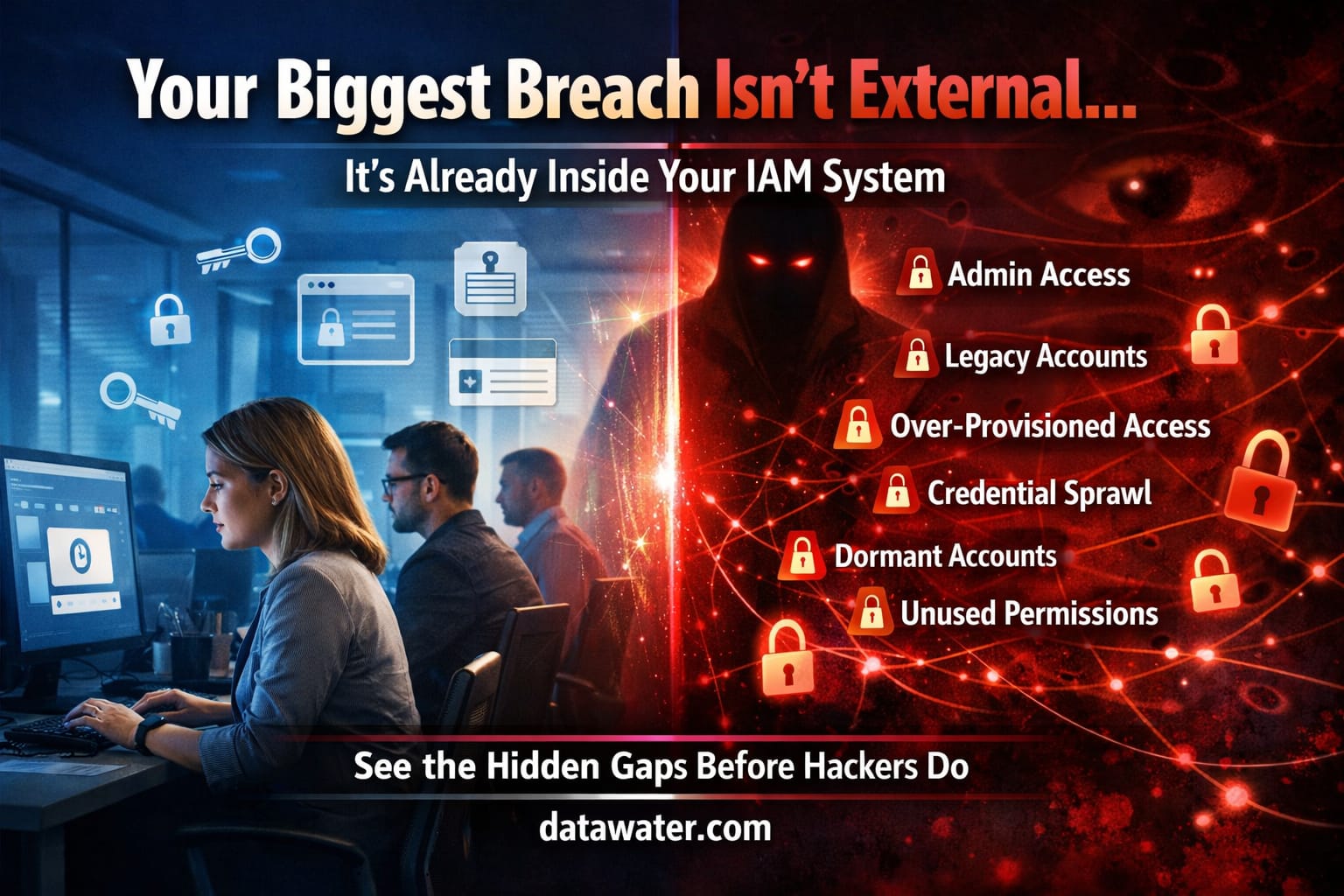
Enterprises run hybrid environments (cloud + SaaS + on-prem) where identity systems (SSO, AD, OAuth tokens, privileged accounts) become the keys to the kingdom. If attackers get valid credentials, they can move like legitimate users.
3) Tool sprawl creates blind spots
Many large organizations have dozens of security tools but still struggle with “time-to-know” and “time-to-act.” Attackers win when defenders are slow, siloed, or overwhelmed by alerts.
High-Probability Entry Points You Should Assume Attackers Will Try
- Phishing + credential theft (including MFA fatigue / push bombing and helpdesk social engineering)
- Exposed remote access (VPN portals, RDP, admin panels, misconfigured cloud gateways)
- Unpatched perimeter devices (firewalls, edge appliances, file transfer tools, remote management platforms)
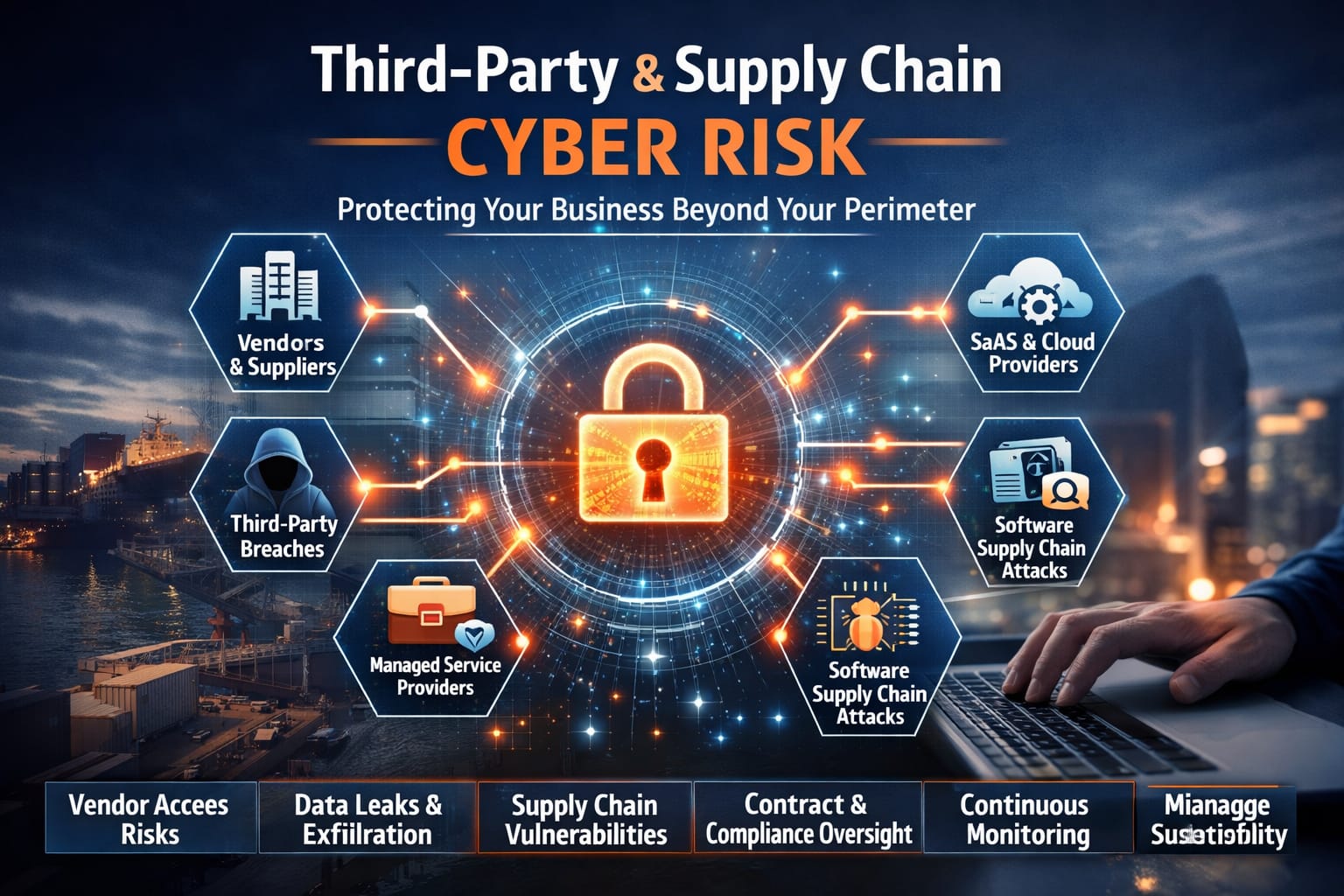
- Third-party compromise (MSPs, contractors, SaaS integrations, shared credentials)
- Misconfigurations (over-permissive IAM roles, weak segmentation, overly broad service accounts)
The practical takeaway: prevention isn’t one control—it’s a set of controls that reduce the probability of entry and reduce the blast radius when entry happens.
Enterprise Impact: The Costs That Hurt the Most
- Downtime — lost revenue, missed shipments, paused care delivery, halted manufacturing, contract penalties
- Data breach obligations — legal review, notifications, credit monitoring, regulatory engagement
- Trust & reputation — brand damage, customer churn, partner friction, higher sales cycles
- Recovery labor — rebuilding AD, restoring systems, validating integrity, re-issuing credentials
- Long tail risk — stolen data can be reused months later for fraud, BEC, and follow-on compromise
Controls That Actually Reduce Ransomware & Double-Extortion Risk
1) Make identity hard to steal and harder to abuse
- Phishing-resistant MFA for privileged users and remote access (where feasible).
- Conditional access: block risky sign-ins, new devices, and impossible travel.
- Privileged Access Management (PAM): just-in-time elevation, approvals, session recording.
- Kill legacy auth: reduce password-only flows; protect tokens and service principals.
2) Patch what’s exposed to the internet first
Prioritize patching of internet-facing services and edge devices. Attackers love “one-shot” vulnerabilities that deliver admin access fast. If you can’t patch immediately, reduce exposure with temporary mitigations, WAF rules, and network restrictions.
3) Segment like your revenue depends on it (because it does)
- Separate tier-0 assets (domain controllers, identity providers, backup systems) from general networks.
- Limit east-west traffic so lateral movement is noisy and constrained.
- Isolate critical apps (ERP/EHR/OT) and protect management planes.
4) Backups that survive the attacker
- 3-2-1 strategy: multiple copies, different media, one offline/immutable.
- Test restores routinely (restoration is a capability, not a checkbox).
- Protect backup credentials and restrict deletion/retention policy changes.
5) Detect exfiltration + ransomware staging early
- EDR/XDR coverage on endpoints and servers, especially admin workstations.
- Central logging for identity, VPN, firewalls, cloud control plane events.
- Watch for “pre-encryption” signals: unusual compression, mass file access, new admin accounts, disabled security tools, atypical outbound transfers.
6) Prepare your “data leak” response before it happens
Double extortion turns ransomware into a privacy and communications event. Have a plan for: legal counsel, breach counsel, cyber insurance coordination, forensic partners, customer comms, and regulator notifications.
Incident Response Checklist: First 24–72 Hours (Enterprise)
When ransomware hits, speed and coordination matter. Here’s a practical checklist to drive calm execution:
Stabilize & Contain
- Activate IR leadership (security, IT ops, legal, comms, business owner, executive sponsor).
- Isolate affected systems (network containment, disable compromised accounts, block suspicious egress).
- Preserve evidence (don’t wipe before imaging; coordinate with forensics).
- Protect backups immediately (restrict access, verify immutability, monitor for deletion attempts).
Scope & Decide
- Determine initial access (credential compromise? exploited perimeter? third party?).
- Assess exfiltration (what was taken, from where, and whether leak-site proof exists).
- Prioritize restorations based on business impact (revenue systems first).
- Coordinate legal/compliance on notification requirements and timelines.
Recover & Harden
- Reset credentials broadly where required (especially privileged and service accounts).
- Rebuild trust: validate AD integrity, review GPO changes, re-issue tokens/keys where needed.
- Close the door: patch exploited vulnerabilities, tighten remote access, enhance monitoring, and document lessons learned.
Metrics CISOs Use to Prove Progress
- MTTD / MTTR (mean time to detect/respond) for identity abuse and data exfil signals
- Backup restore success rate + time to restore critical apps
- Coverage: % endpoints with EDR, % critical logs centralized, % privileged accounts phishing-resistant MFA
- Exposure reduction: count of internet-facing services, patch SLAs for perimeter systems
- Segmentation effectiveness: ability to contain an incident to a limited zone
FAQ
What is double-extortion ransomware?
Double extortion is when attackers both steal data and encrypt systems, then demand payment to avoid operational damage and data publication.
If we have backups, do we still need to worry?
Yes. Backups help you recover availability, but double extortion adds data exposure risk—privacy, regulation, and reputation can still force difficult decisions.
What’s the fastest way to reduce ransomware risk?
Start with the highest ROI controls: tighten identity (phishing-resistant MFA for admins), patch internet-facing systems, segment critical assets, and make sure backups are immutable and tested.